


The records set in Ordibehesht 1405 (May 2026) should not be viewed merely as a statistical spike; rather, this achievement is the result of the convergence of “strong infrastructure” and “efficient economic management.”
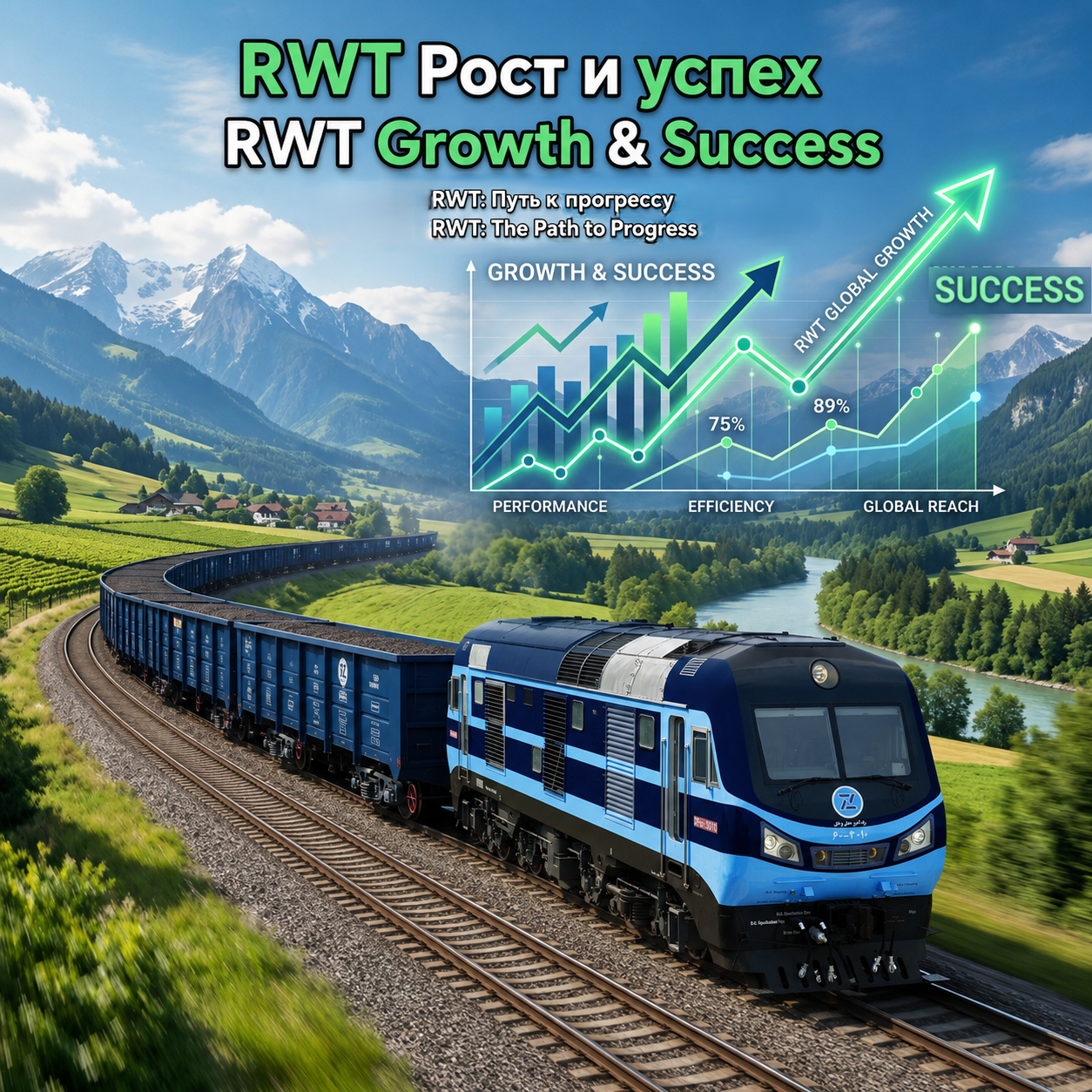
According to the Public Relations Department of RWT Company, the company achieved four-year operational records in May 2026, marking a remarkable leap in freight transportation. With a fleet of 2,728 railcars and an extensive nationwide network, the company is considered a leading hub for rail logistics, regional transit, and export services.
In May 2026, RWT set unprecedented records across several operational indicators, taking a significant step toward enhancing the efficiency of the country's rail transport sector. Relying on the optimal management of human capital and safeguarding shareholders’ interests, the company succeeded in breaking its records of recent years in freight tonnage and ton-kilometers. Analysis of this achievement shows that the performance leap was built upon extensive infrastructure, a specialized fleet, and access to international markets.
Operational Performance Surge in Spring 2026
A detailed review of May’s performance reveals a meaningful transformation in freight transportation. The company achieved a four-year record in transported tonnage and a two-year record in ton-kilometers within its high-sided wagon fleet. In the tank wagon segment, three-year records in transported tonnage and four-year records in ton-kilometers were also broken.
These figures represent more than numerical growth; they reflect increased fleet efficiency and reduced dwell times within the rail network, factors that directly contribute to profitability and strengthen the company’s competitive position.
Strength Through a Specialized Owned Fleet
A major part of this success stems from the ownership and management of a fleet comprising 2,728 railcars. The diversity of equipment—including more than 2,000 high-sided wagons for mineral transportation, over 636 tank wagons for petroleum products, 91 hopper wagons, and company-owned locomotives—has enabled the company to respond flexibly to market demand.
This well-balanced fleet composition forms the foundation of the company’s recent record-breaking achievements and ensures the continued transportation of more than 5 million tons of cargo annually across the rail network.
Geographic Reach: From Southern Ports to Border Gateways
Active operations at more than 22 key strategic locations across the country have enabled RWT to establish a powerful and extensive logistics network. Operational focus on major ports such as Bandar Abbas and Amirabad, alongside industrial and mining centers in the provinces of Yazd, Kerman, Isfahan, and Khorasan, has positioned the company as a critical link in the supply chain.
This broad geographic presence distributes operational risks and facilitates direct access to freight origins, contributing significantly to the growth of export and transit ton-kilometers.
Rail Diplomacy and Regional Market Expansion
Alongside its strong domestic presence, the company’s international services have opened new horizons for Iran’s rail trade. The provision of freight forwarding services, customs formalities, and direct cargo transportation to Russia, China, Turkey, India, and CIS countries demonstrates the company’s capabilities in export and transit operations.
The ability to track railcars daily across Central Asia and offer competitive rates on international routes has solidified the company’s position as a key regional logistics player while increasing its foreign-currency revenue potential.
Synergy Between Infrastructure and Management
The records achieved in May 2026 should not be regarded merely as statistical milestones. Rather, they are the result of the alignment between strong infrastructure and sound economic management.
When the capacity to transport 3 million tons of mineral products and 1 million tons of petroleum products is combined with a nationwide logistics network and international customs services, the outcome is optimized transportation routes and improved productivity indicators.
The continuation of this trend could transform RWT into a successful model for shareholder capital management and a driving force behind the development of affordable, environmentally friendly transportation within Iran’s economy.
Source: Tin News