


Senior managers of the RWT visited the Sarakhs Terminal in Turkmenistan
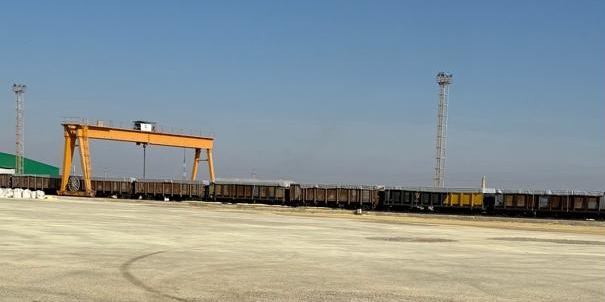
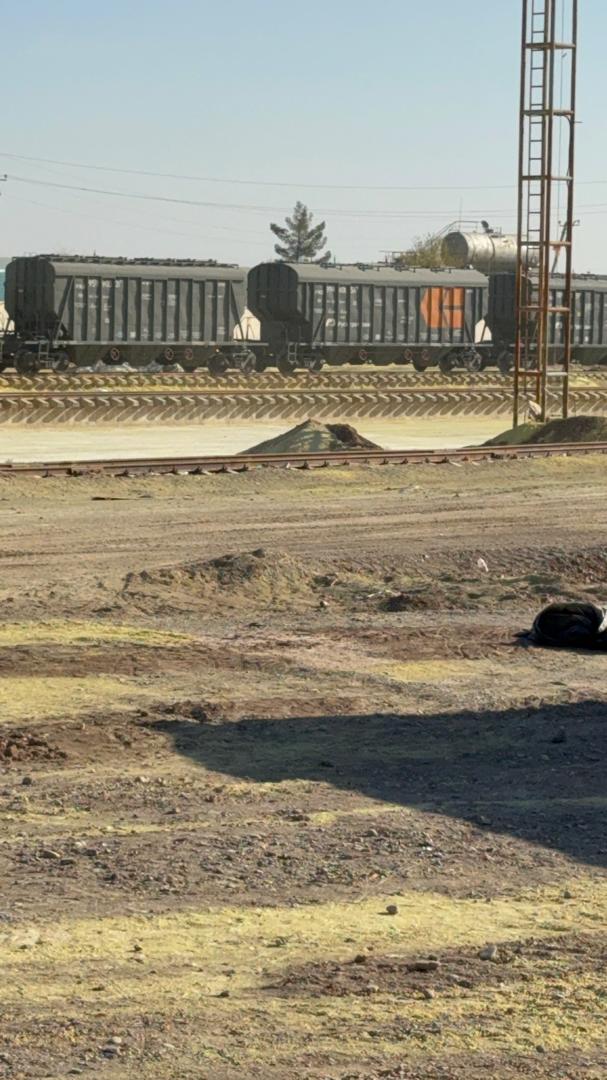
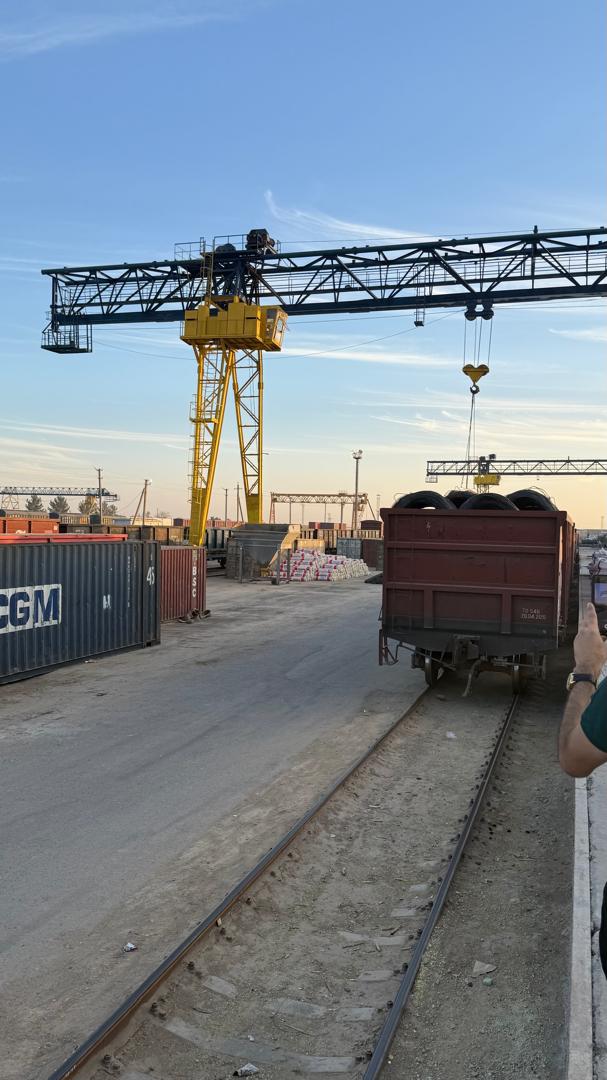
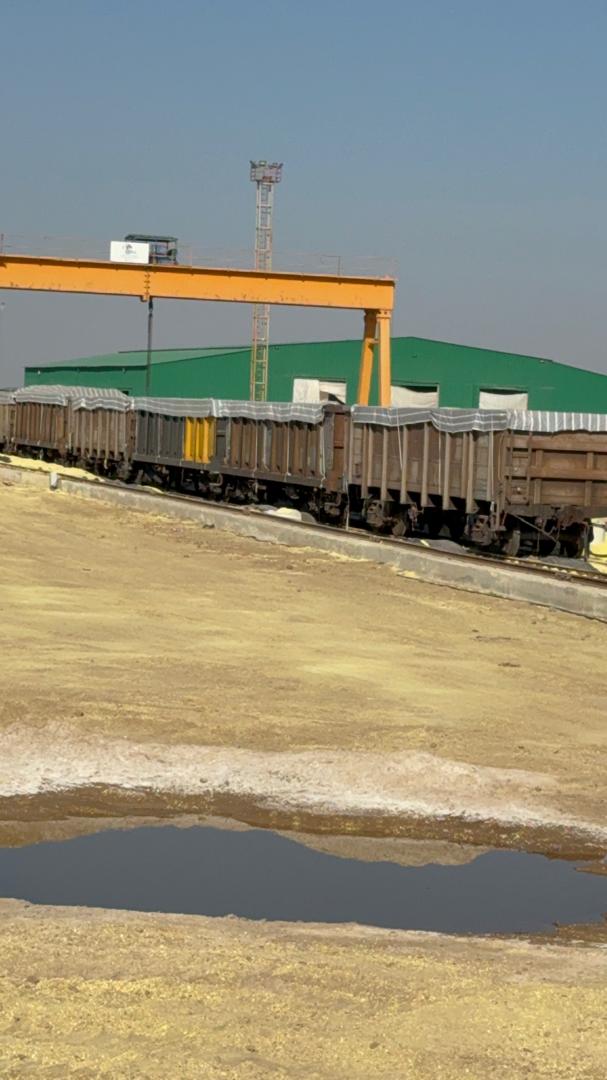
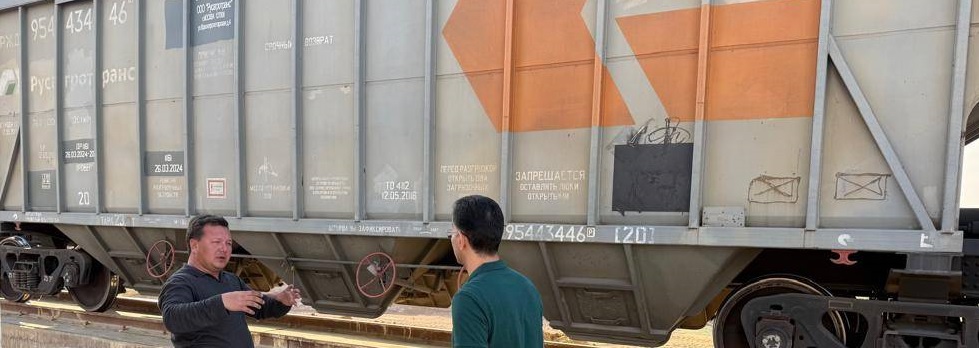
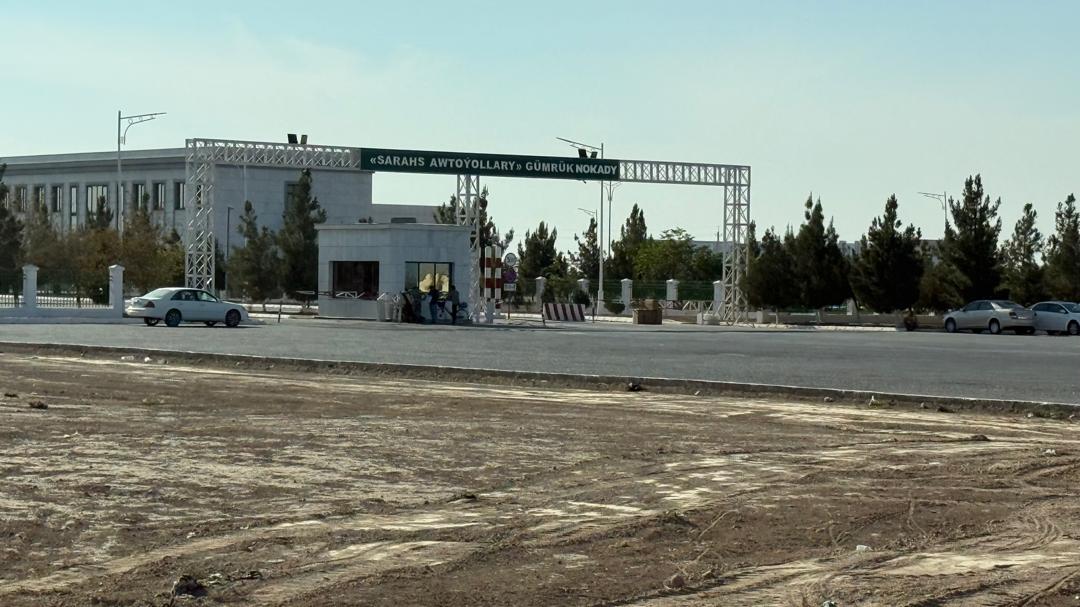
As part of their ongoing targeted initiatives aimed at expanding international cooperation, networking with key companies, strengthening marketing activities, and increasing the company’s share in international markets, the senior managers of the RWT visited the Sarakhs Terminal in Turkmenistan and held negotiations with active terminal operators
 .
.
According to the Public Relations Office of the RWT, citing ISNA News Agency, the Sarakhs rail border is considered the most active rail border crossing in Iran, with up to 400 wagons exchanged daily with Turkmenistan. The border plays a key role in connecting Iran to Central Asian countries.
Given the strategic location of Razavi Khorasan Province and the position of the Sarakhs rail border along the main route connecting Iran with Central Asian countries such as Turkmenistan, Uzbekistan, Kazakhstan, and Kyrgyzstan, this corridor is recognized as one of the country’s most vital railway transportation arteries. It is currently the busiest rail border crossing of the Islamic Republic of Iran Railways and accounts for a significant share of cargo transit between Iran and regional countries
 .
.
Although the daily exchange capacity at the Sarakhs rail border is approximately 400 wagons, currently fewer than 150 wagons are exchanged on average each day. These wagons include export, import, and transit cargo transported under international agreements and coordinated bilateral programs.
This route is regarded as one of the most important international East-West corridors and plays an effective role in the development of regional trade. Approximately 15% to 20% of transit cargoes loaded at Bandar Abbas are transported to Central Asian countries through this route
 .
.
In recent years, trains originating from China have also entered Iran through this corridor, carrying cargo onward to European countries and Türkiye. This demonstrates the geoeconomic importance of the Sarakhs rail border in linking the railway networks of China and Central Asia to Iran’s rail system and ultimately to the country’s southern ports